Why Improving Local Efficiency Can Make the Whole System Slower — Lessons from The Goal
為什麼提升局部效率,反而讓整體更慢?— 從《The Goal》談精實思維
Local efficiency doesn’t equal overall efficiency. Bottlenecks set the pace.
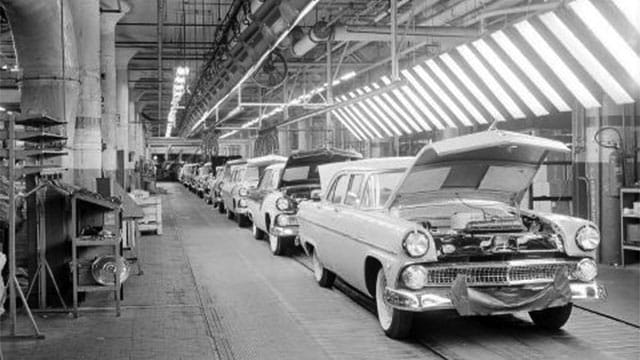
A few years ago, I read a famous novel in the manufacturing world — The Goal by Eliyahu Goldratt. The story follows a factory manager who tries to improve efficiency by running every machine at full speed. The result was the opposite: piles of unfinished products filled the warehouse, and deliveries were still delayed.
This book highlights a simple but often overlooked truth — local efficiency doesn’t equal overall efficiency.
1. The bottleneck determines the whole system
In a factory, production speed is not defined by the fastest machine, but by the slowest one. The same happens in an office: project progress often gets stuck because “a document hasn’t been submitted” or “a manager hasn’t reviewed it yet,” not because people aren’t working hard enough.
2. Improving non-bottlenecks is meaningless
Speeding up the front end without fixing the bottleneck only pushes more work downstream and increases pressure. Similarly, finishing a presentation faster doesn’t help if your manager won’t review it until three days later.
3. System flow matters more than individual speed
The real goal of lean thinking is to let work flow smoothly from start to finish, not to keep everyone busy all the time. Instead of chasing individual performance, focus on whether the project as a whole can move smoothly and be delivered on time.
My observations
Working in U.S. factories, I often see teams get distracted by performance targets: some departments try to keep machines running at full load, which only leads to excess inventory; some design teams rush to issue drawings, even when the production floor is already overloaded. When optimization doesn’t revolve around the bottleneck, it only pushes problems downstream faster.
This becomes even more obvious when companies start automation. Many teams begin with the “easiest part to automate,” but that often amplifies the chaos. Real value comes from understanding the entire process, identifying the slowest step, and prioritizing automation where it truly matters.
It’s been forty years since The Goal was published, but I still see its warning every day: If you improve in the wrong direction, speed means nothing. Find the right bottleneck, and the whole system begins to flow.
Leave a Comment
留言
Share your thoughts and join the discussion
分享您的想法並參與討論