Why Are Small and Medium-Sized Businesses Always Stuck with Repetitive Work?
為什麼中小企業總是被重複性工作困住?
How office automation tools can help small and medium-sized businesses break free from repetitive tasks and focus on what truly matters.
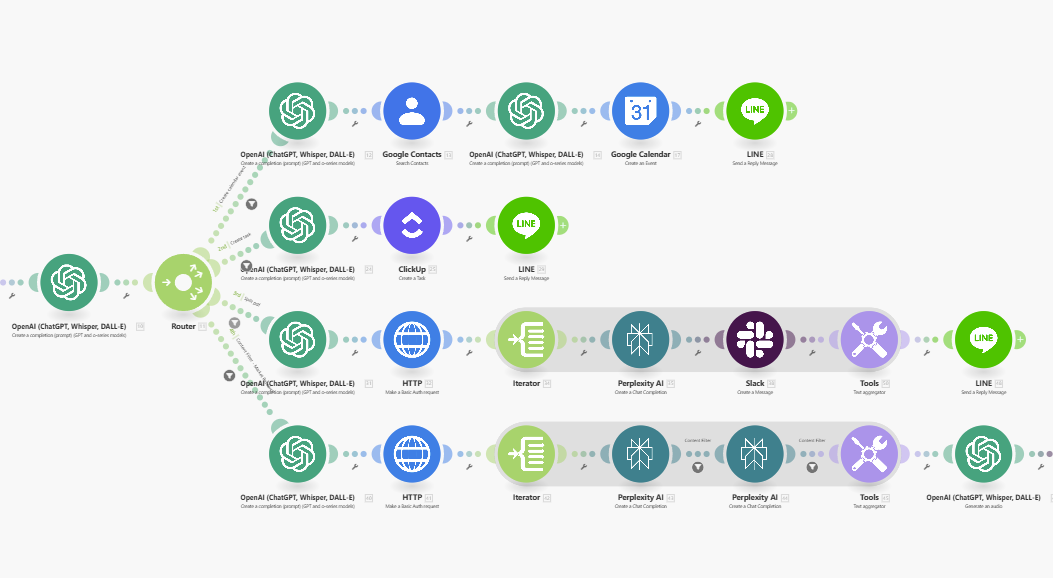
When I worked in factories, I used APIs and automation to fix parts of the workflow. But I soon realized the problem wasn't only on the shop floor. Offices were full of repetitive tasks too - and the issue was often even bigger in small and medium-sized businesses.
Large companies usually have ERP systems or IT teams to build custom software. Smaller companies can't afford that. ERP systems are expensive, and hiring someone to build custom tools is another big cost. So most small businesses rely on Excel, Word, or project management tools like Asana and Notion to handle almost everything.
These tools are useful, but they create another problem: information gets spread out across different computers or depends on manual uploads. If someone forgets to update, or if versions don't match, gaps appear. Managers and employees may look at different numbers, teams miscommunicate, and people waste time just trying to figure out which version is correct.
That's when I started trying office automation tools like Zapier, Make.com, and n8n. These platforms let you build low-code workflows that connect different apps and take over manual steps that waste time.
For example: when Gmail gets an email with "Invoice" in the subject, the workflow can save the attachment to Google Drive and alert the finance team in Slack. Or when a client fills out a Google Form, the data can flow straight into Google Sheets while also sending an automatic reply email.
These flows may sound simple, but they cut hours of repetitive work and reduce mistakes. In one case I worked on, automating just a small quoting process saved the team 20-30 hours every month - and made communication across departments much smoother.
Over time, I became more sure of this: when repetitive tasks are automated, companies can focus on real work - decisions, innovation, collaboration - instead of file transfers and data updates. For small and medium-sized businesses, automation isn't a distant dream. It's often the most practical way to start improving efficiency and staying competitive.
Leave a Comment
留言
Share your thoughts and join the discussion
分享您的想法並參與討論