When Three People's Work for Two Months Shrinks into Two Weeks
當我發現三個人兩個月的工作,可以縮短成兩週
On my path through digital manufacturing in the U.S., I began to see the collision of tradition and innovation - and started thinking about the possibilities of efficiency and automation.
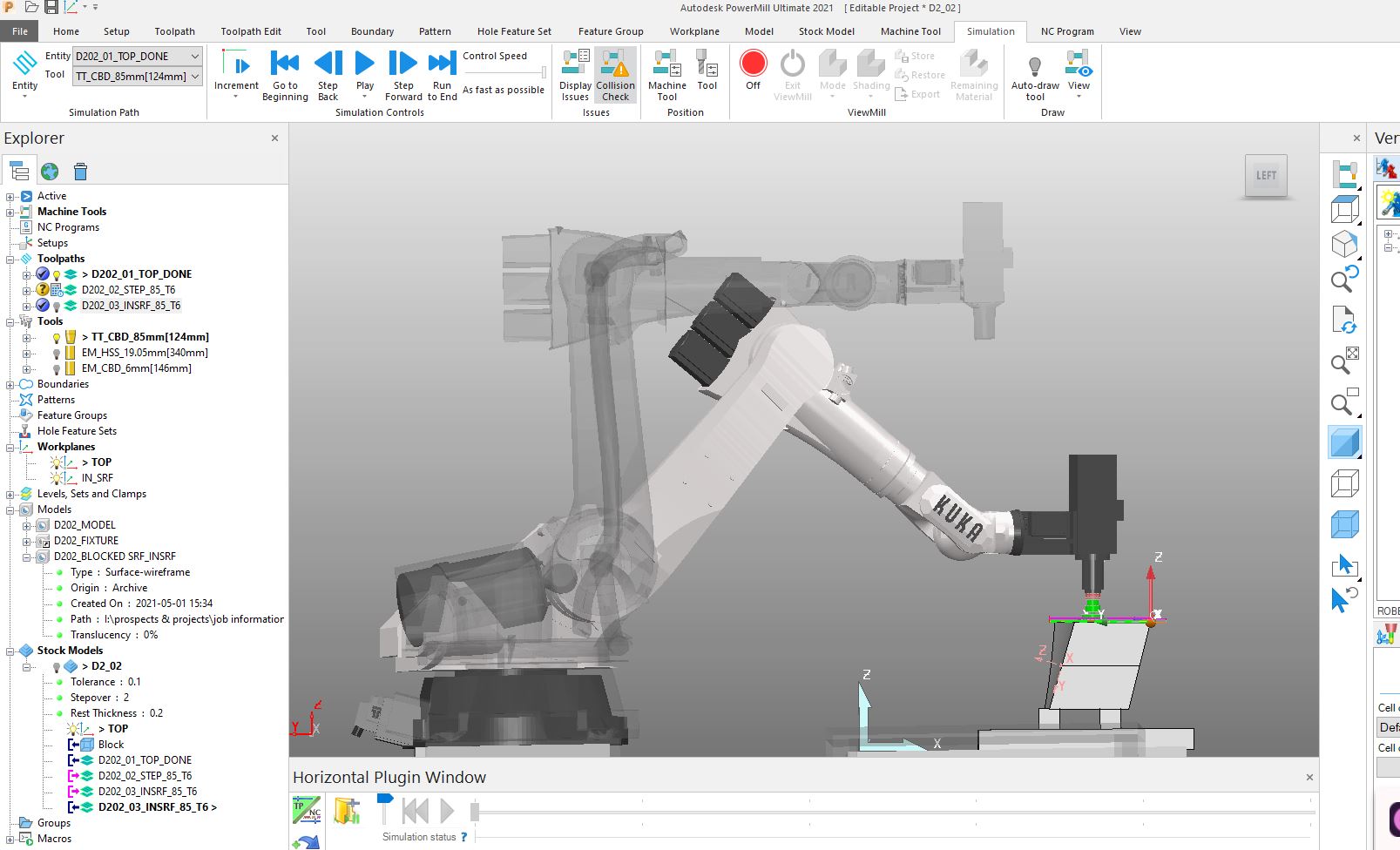
After graduating from the University of Michigan, I entered the world of digital manufacturing. My first job in Wisconsin, and later work in New York, showed me what happens when traditional craft meets new technology. Digital tools opened new doors - but I also noticed something else: even in "digital" companies, the screens in front of us were filled with repetitive work.
I still remember my first CNC project. The workflow surprised me. Import the model. Manually set the parameters for each surface. Run a simulation. Check for errors. Export the file. If the geometry was simple, it was fine. But with complex architectural parts, every design change meant the engineer had to repeat everything from the start.
At one point I asked myself: if the steps are always so similar, why can't they be automated?
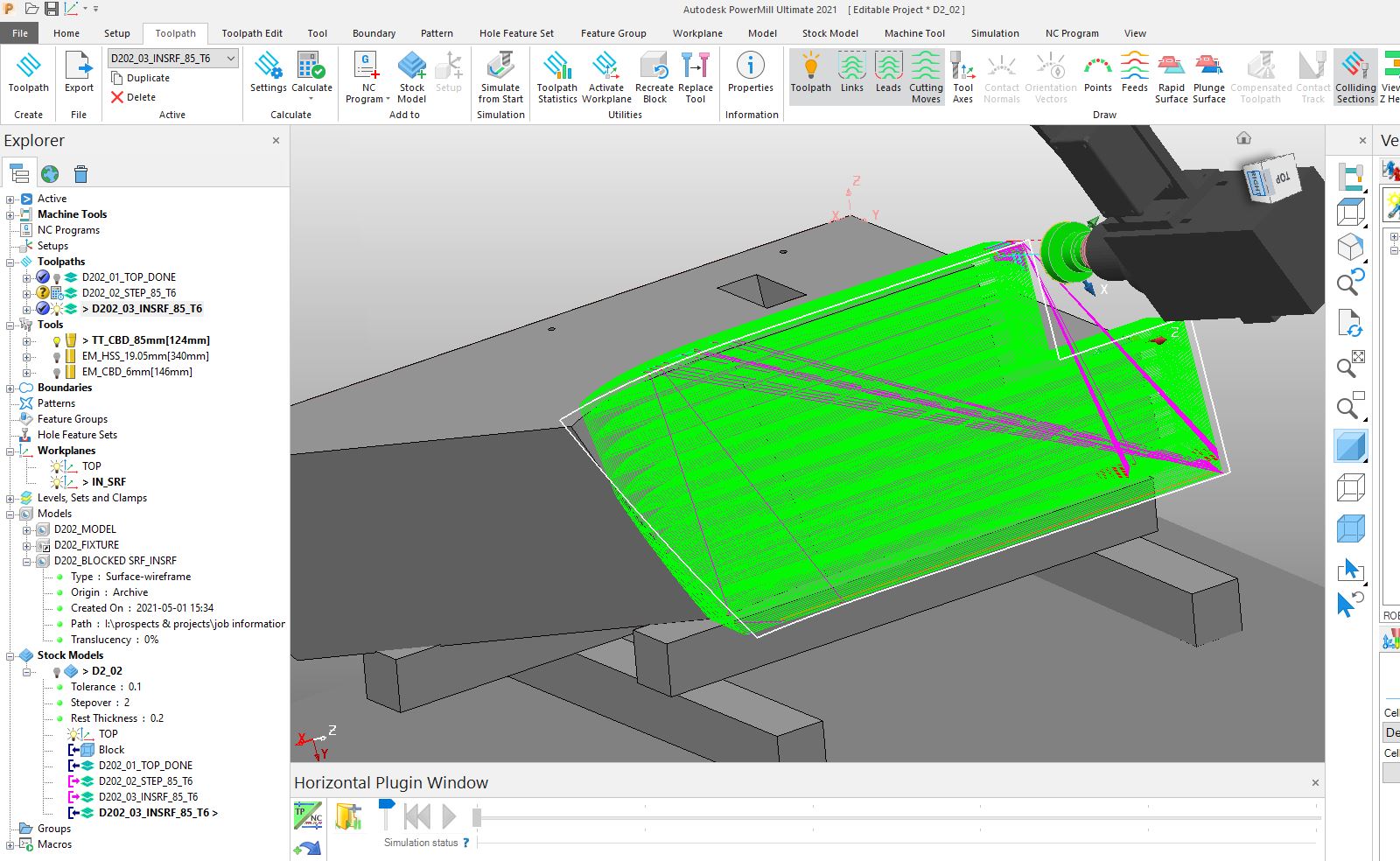
That question led me to Powermill's API. I began to test small pieces of code to handle the boring parts. After many tries, I built a tool that could import a 3D model, create toolpaths, run the simulation, and export the final file automatically. What used to take three engineers two months could now be done by one engineer in two weeks.
It was eye-opening. Not just because of the time saved, but because it gave engineers the freedom to focus on what truly mattered: quality, teamwork, and innovation.
Since then, I've seen how hidden rework slows down many companies. From CNC machining to office tasks, repetitive steps are everywhere. And they are worth rethinking. This is the path I focus on today - using AI and automation to free people from tedious work, so they can spend their time where it really creates value.
Leave a Comment
留言
Share your thoughts and join the discussion
分享您的想法並參與討論