Efficiency Often Begins in the Smallest, Most Repetitive Tasks
效率的起點,往往藏在最瑣碎的流程裡
Do we really need to spend hours just moving numbers from PDFs to Excel?
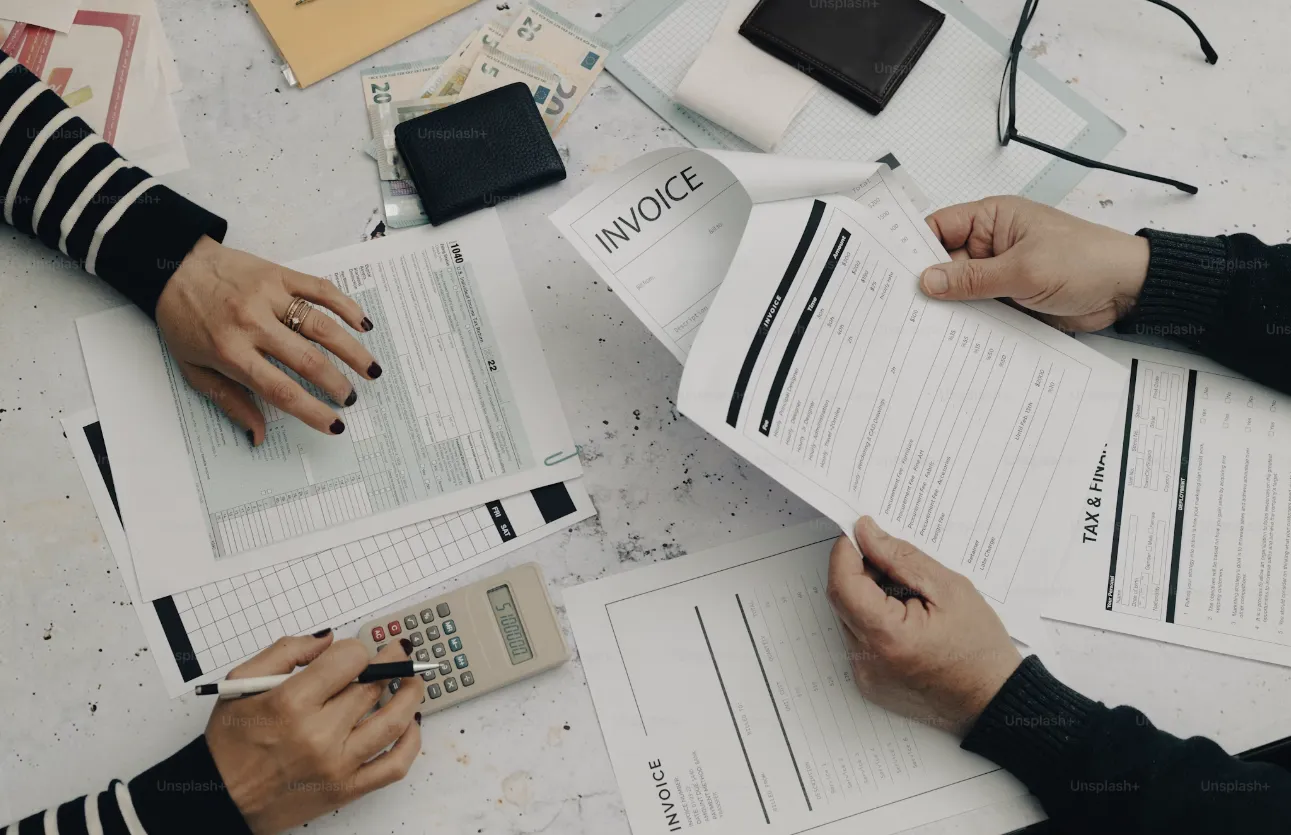
In many companies, handling invoices is still slow and tedious. Each PDF has to be opened by hand, the date and amount copied into Excel or Google Sheets, and then checked again. A few invoices are manageable. But when there are dozens or even hundreds, finance staff can spend a whole day just moving numbers from one place to another.
The first time I saw this, I was shocked. Even in companies that called themselves "digital," invoice processing was still manual copy-and-paste. It was slow, easy to make mistakes, and fragile - one small typo could throw off a whole report, even affecting decisions.
The root problem was clear: this is low-value, repetitive work. Every PDF looks almost the same. The same details get copied again and again. And every new invoice means repeating the routine from the start. Meanwhile, the real work - analysis, planning, strategy - keeps getting delayed.
Later, I built a small automation with n8n. The idea was simple: when a digital invoice is dropped into a folder, the system reads it, pulls out the key details like date and amount, and writes them into Google Sheets. What used to take 3-4 hours could now be done in just a few minutes.
The impact wasn't only about saving time. It also gave finance teams real-time data faster, and let them focus on higher-value work like analysis and decision-making.
This made me realize something important: efficiency doesn't always come from big ERP systems or expensive IT projects. Real change often starts with the smallest, most repetitive workflows. Once these tasks are automated, companies can free up energy to focus on the work that truly moves them forward.
Leave a Comment
留言
Share your thoughts and join the discussion
分享您的想法並參與討論