Design × Materials × Technology
設計 × 材料 × 科技的整合
Why Digital Fabrication Is More Than Just "Using CNC"
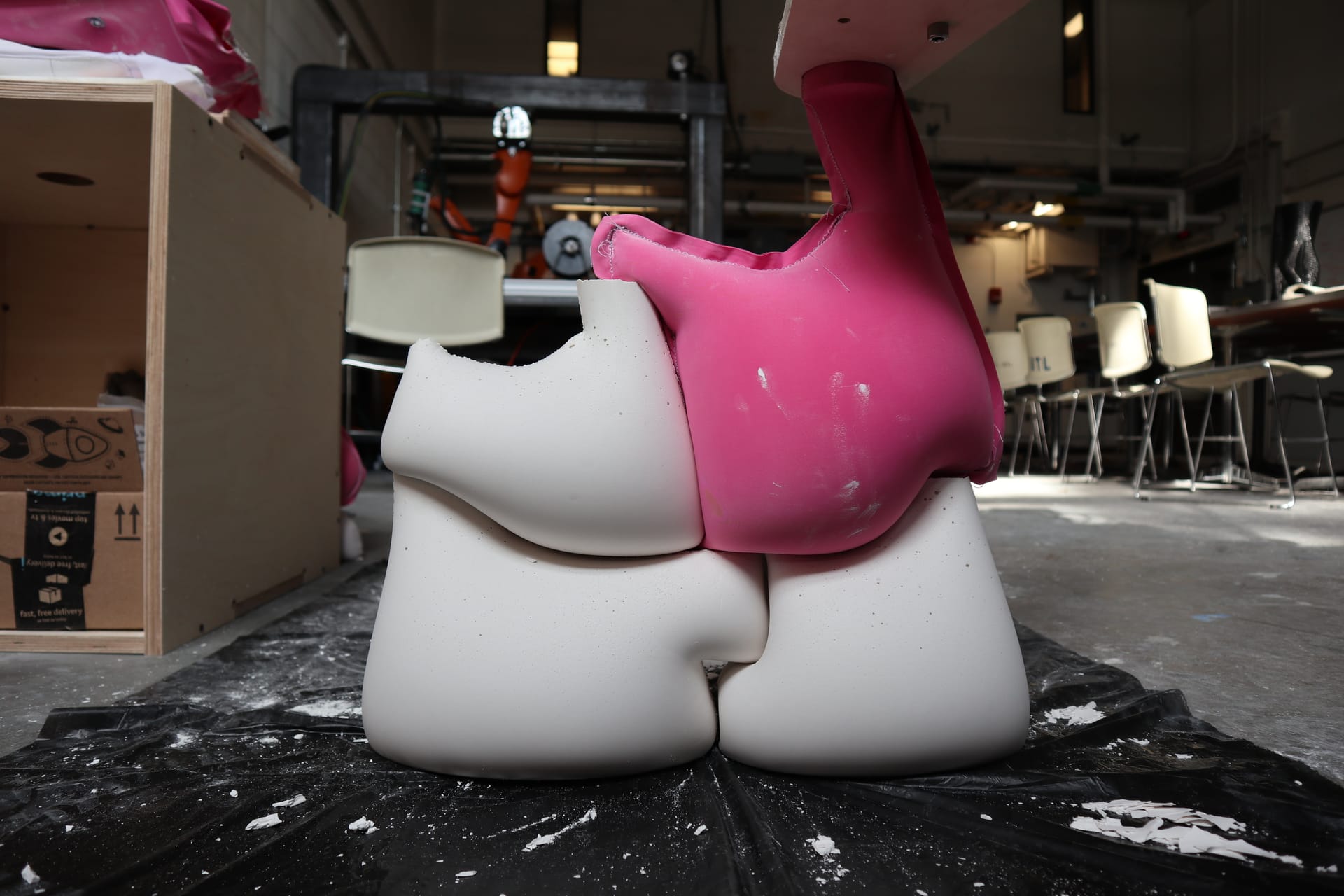
In 2018, while studying for my master's degree at the University of Michigan, my view of digital fabrication completely changed.
At first, I thought the program would just teach us how to use robotic arms, CNC machines, and 3D printers - and combine them with building materials to make practical things. Since the program was only one year, most people assumed it would be mainly technical training.
But once classes started, I realized it was very different. The professors kept reminding us: begin with a simple design idea, then use it to test the materials and technologies. Pay attention to their qualities, their limits, and even the unexpected results. Then, bring those lessons back into the design process.
This way of thinking was refreshing. It showed me that design doesn't start with design alone. It starts with understanding the materials and technology deeply.
I also noticed something else: often, the first design idea didn't work. Materials had their own "personalities," and fabrication methods had clear limits. If I held on too tightly to the original design, the process stalled. But when I accepted the unexpected results and adapted the design, the outcome became more natural - and more powerful.
It felt like running an experiment. The logical side was testing and verifying, while the creative side was exploring and discovering. The final design came from balancing the two, not just aiming to be "beautiful" or "practical."
That experience gave me a lesson I still carry: the value of digital fabrication is not about whether you can operate a machine, but whether you can use materials and processes intelligently. Intelligent design, intelligent use of materials, and intelligent workflows - these together create truly unique results.
This mindset has continued to guide my choices ever since.
Leave a Comment
留言
Share your thoughts and join the discussion
分享您的想法並參與討論